If you have noticed moisture forming on exposed pipes this winter, you are not alone. January is one of the most common times Troutdale homeowners discover pipe sweating, especially in basements, garages, crawl spaces, and utility rooms. While a small amount of condensation may seem harmless, persistent pipe sweating is often a warning sign of deeper plumbing issues that should not be ignored during cold weather.
Understanding why this happens in winter — and when it crosses the line into a real problem — can help you protect your home from water damage and mold growth.
What Pipe Sweating Actually Means
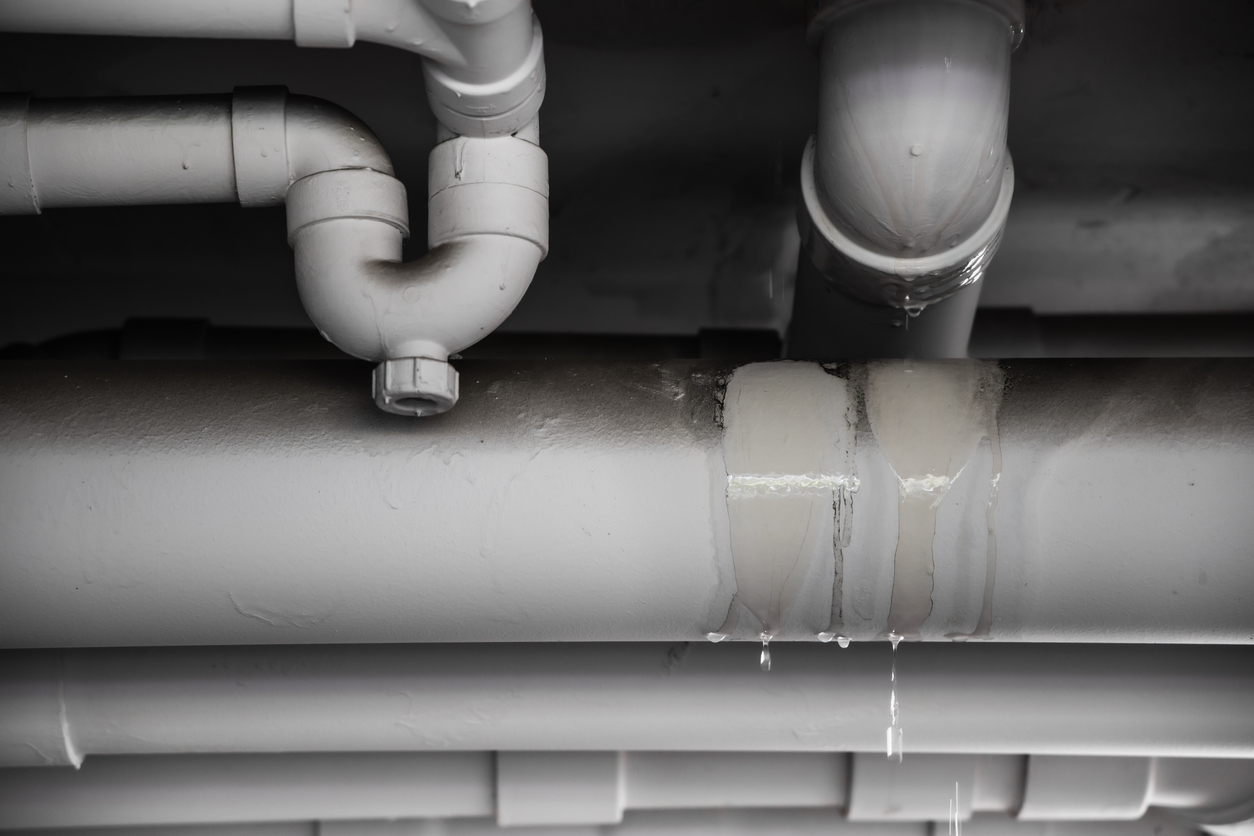
Pipe sweating occurs when warm, humid air comes into contact with cold pipes, causing condensation to form on the surface. In January, the temperature difference between indoor air and cold water pipes becomes more extreme, especially in Troutdale homes where pipes may run through uninsulated or semi-exposed areas.
At first, this condensation may appear as light moisture. Over time, however, it can drip onto floors, soak insulation, or dampen framing materials. Left unchecked, pipe sweating can contribute to mold growth and structural damage.
Homeowners who consult a local Troutdale plumber, such as the team at Da Vinci’s Best Plumbing serving Troutdale, often discover that winter condensation is one of the earliest signs of hidden plumbing stress.
Winter Humidity Plays a Bigger Role Than You Think
Many homeowners assume winter air is always dry, but indoor humidity levels often rise in January. Hot showers, cooking, laundry, and sealed windows trap moisture inside the home. When that warm, humid air meets cold water pipes, condensation forms quickly.
Troutdale homes with finished basements or converted spaces are especially prone to this issue. Pipes that were not sweating in fall can suddenly become wet once winter conditions settle in.
Poor Pipe Insulation Makes Condensation Worse
One of the most common contributors to pipe sweating is inadequate insulation. Pipes running through garages, crawl spaces, or exterior walls are exposed to colder temperatures, making them more likely to collect moisture.
While pipe insulation can help reduce condensation, excessive sweating may indicate additional issues such as temperature imbalances or airflow problems. A professional plumber can evaluate whether insulation alone will solve the issue or if further investigation is needed.
When Pipe Sweating Signals a Hidden Leak
Not all moisture on pipes is simple condensation. In some cases, what appears to be sweating is actually the result of a slow, hidden leak. Small leaks can release just enough water to mimic condensation, making them easy to overlook during winter.
If moisture is constant, appears localized to a fitting or joint, or is accompanied by rising water bills, it is time to schedule a professional inspection. Many Troutdale homeowners are surprised to learn that early leak detection prevents far more costly repairs later in the season.
Cold Weather Can Stress Older Plumbing Systems
Older homes throughout Troutdale often have plumbing systems that were not designed for modern water usage patterns or extreme seasonal changes. Cold weather causes pipes to contract, increasing stress on joints and fittings. Combined with indoor humidity, this can make pipe sweating more severe and persistent.
Addressing these issues early helps reduce the risk of pipe failure during freezing conditions later in winter.
Mold Risk Increases in January
One of the biggest concerns with pipe sweating is mold growth. Damp environments created by persistent condensation provide ideal conditions for mold, especially in enclosed spaces like crawl areas and basements.
Once mold begins to develop, it can spread quickly and affect indoor air quality. This is why winter pipe sweating should never be dismissed as a cosmetic issue.
When Pipe Sweating Becomes an Emergency
If pipe sweating is accompanied by active dripping, pooling water, or visible damage to walls or ceilings, immediate action is necessary. These signs often indicate a leak or insulation failure that could worsen rapidly in cold weather.
In these situations, contacting a provider of reliable emergency plumbing services can prevent serious water damage and protect your home during freezing temperatures.
Why Troutdale Homeowners Trust Da Vinci’s Best Plumbing
Plumbing systems in Troutdale vary based on elevation, home age, and layout. Da Vinci’s Best Plumbing is proud to be the #1 trusted plumbing service with over 100 5-star reviews, helping homeowners identify the difference between harmless condensation and serious winter plumbing issues.
Homeowners searching for the best pricing for plumbing near me appreciate working with a local company that understands Troutdale’s housing styles and seasonal challenges. You can learn more about their services and schedule an inspection by visiting the Da Vinci’s Best Plumbing homepage and speaking with a local expert.
Save on Winter Plumbing Inspections
Winter plumbing issues often appear without warning. Using available plumbing coupons can help reduce the cost of professional inspections and repairs while keeping your home protected through the coldest months.
If you are noticing pipe sweating in your Troutdale home this January, addressing it now can prevent water damage, mold, and costly repairs later in the winter.
