
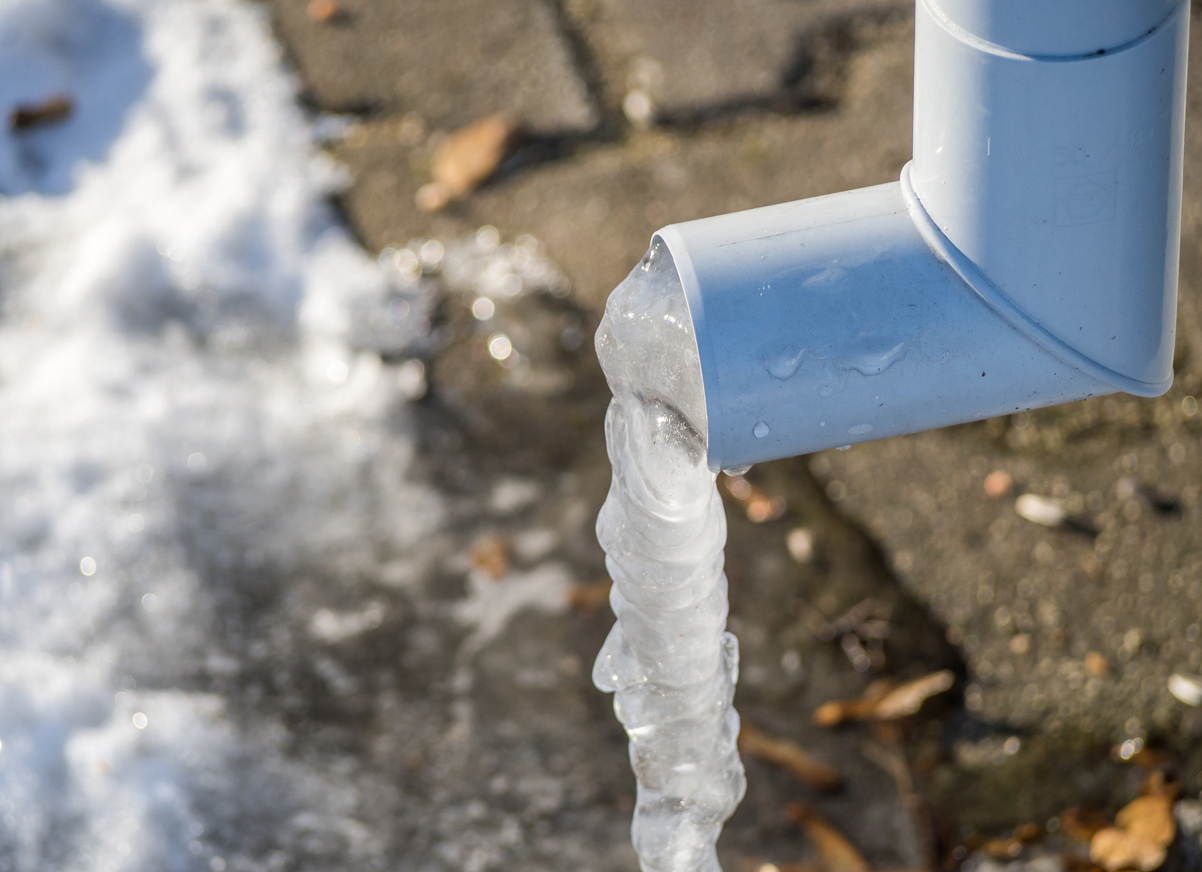
The leaves have fallen, the mornings are frosty, and you might still be tempted to use your garden hose for a quick rinse or outdoor cleanup. But as November temperatures dip across Gresham and Portland, using or leaving your hose connected could spell disaster for your plumbing. A frozen outdoor faucet or burst pipe can cause thousands of dollars in damage—all from a simple oversight. Here’s how to know when to stop using your hose, what happens if you don’t, and how Da Vinci’s Best Plumbing can help protect your home.

Why You Should Disconnect Your Hose Before Freezing Weather
1. Water Trapped Inside Can Freeze
Even if the faucet is shut off, water remains inside the hose and connected pipe. When temperatures drop below freezing, that trapped water expands and can split the pipe just behind your exterior wall.
2. Frost-Free Faucets Still Need the Hose Removed
Many Oregon homes now have frost-free faucets, which extend the shut-off valve deeper inside your house. But even these models can burst if a hose is left attached, because the water can’t fully drain from the line.
3. Hidden Leaks May Form
If the pipe cracks behind the wall, you might not see the damage until spring—when melted ice leads to interior leaks or flooding.

How to Tell If It’s Too Cold to Use Your Hose
If overnight temperatures regularly dip below 35°F, it’s time to shut off and disconnect your hose. In Gresham and Portland, that usually happens by early to mid-November.
You can still use your outdoor faucet occasionally during warmer days—but always disconnect the hose afterward and let any remaining water drain.
How to Properly Shut Down Outdoor Faucets for Winter
- Turn Off the Outdoor Water Supply: Inside your home (often in the basement or utility room), locate and close the shut-off valve feeding the outdoor faucet.
- Disconnect the Hose: Drain any water inside and store it indoors.
- Open the Faucet Outside: Let leftover water escape from the line.
- Add an Insulated Cover: Install a foam faucet protector to guard against freezing.
These simple steps can save you from costly emergency plumbing repairs later.

What Happens If You Forget?
If you left your hose connected and temperatures have already dropped below freezing, check for:
- Cracks in the faucet body or nearby wall
- Slow water flow or complete blockage
- Damp spots inside near the faucet connection
If you notice any of these warning signs, call Da Vinci’s Best Plumbing immediately. A frozen pipe that’s thawing can burst within hours, flooding your home before you even realize it.

How We Help Prevent Frozen Faucet Damage
Our licensed plumbers offer winterization services for outdoor plumbing systems across the Portland metro area. With over 100 5-star reviews, we’re proud to be the #1 trusted plumbing service for:
- Faucet and hose bib inspections
- Frost-free faucet installation
- Water line protection and insulation
- Fast repairs for frozen or cracked pipes

Seasonal Reminder: It’s Not Just the Hose
While you’re winterizing your outdoor plumbing, make sure your water heater and sewer line are ready too. Cold weather increases demand on your system, and preventive maintenance now can prevent holiday breakdowns later.
Save Money While Protecting Your Home
Prepping your plumbing for winter doesn’t have to be expensive. Our plumbing service coupons make seasonal inspections and repairs affordable for local homeowners.

Final Thoughts
Using your garden hose in November might seem harmless, but it’s one of the leading causes of winter plumbing damage in Oregon homes. Take a few minutes to disconnect, drain, and insulate your outdoor faucets now—and if you suspect damage, call Da Vinci’s Best Plumbing right away. We’ll help ensure your home stays dry, efficient, and worry-free all winter long.