Emergency Plumbing
Emergency Plumbing Help When Water, Backups, or Leaks Cannot Wait
Some plumbing problems can be scheduled. Others need a call first because water is active, sewage is backing up, a shutoff is not working, or the issue could damage the home. Da Vinci’s Best Plumbing helps homeowners think through urgent plumbing situations calmly and choose the next step with as much clarity as possible.
If water is spreading, a toilet is overflowing, a drain is backing up, a water heater is leaking, or a shutoff valve will not close, call first.

Family-Owned & Operated

Upfront, Honest Recommendations
Emergency Plumbing Is About Damage Control
An emergency plumbing call is usually not about convenience. It is about stopping a problem from becoming worse. Active water can damage cabinets, flooring, ceilings, walls, crawlspaces, and belongings. Drain or sewer backups can make fixtures unusable. A failed shutoff valve can turn a small leak into a larger problem because the water cannot be controlled at the fixture.
The first conversation should focus on what is happening right now. Where is the water? Is it clean water or drain water? Is a fixture overflowing? Is the water heater leaking from the tank area or from nearby piping? Can the customer shut off the affected fixture, or does the main water need to be shut off?
The first conversation should focus on what is happening right now. Where is the water? Is it clean water or drain water? Is a fixture overflowing? Is the water heater leaking from the tank area or from nearby piping? Can the customer shut off the affected fixture, or does the main water need to be shut off?
Call First for These Situations
Active water leaks
Call if water is actively dripping, spraying, pooling, or spreading. A leak under a sink, behind a toilet, near a refrigerator line, around a water heater, or from visible piping should be checked before damage spreads.
Failed shutoff valves
A shutoff valve that will not close can make the problem harder to control. If you turn the valve and water keeps flowing, stop forcing it and call. Old or stuck shutoffs can break if they are handled aggressively.
Overflowing toilets or fixtures
If a toilet, tub, shower, laundry drain, or sink is overflowing, stop using water in that area and call. If more than one fixture is affected, the problem may be larger than a single clog.
Sewer or drain backups
If drain water or sewage is coming back into the home, call first. Avoid running more water, avoid flushing additional toilets, and keep people away from affected areas until the issue is reviewed.
Leaking water heaters
Water around a water heater should be taken seriously. A leak can come from the tank, valve, connector, drain valve, relief line, or nearby piping. If water is actively spreading, call first.
No water or major pressure change
Sudden pressure loss, no water at multiple fixtures, or a pressure problem paired with wet areas or high water bills may need a call-first conversation to narrow the risk.
What You Can Do Before Calling or While Waiting
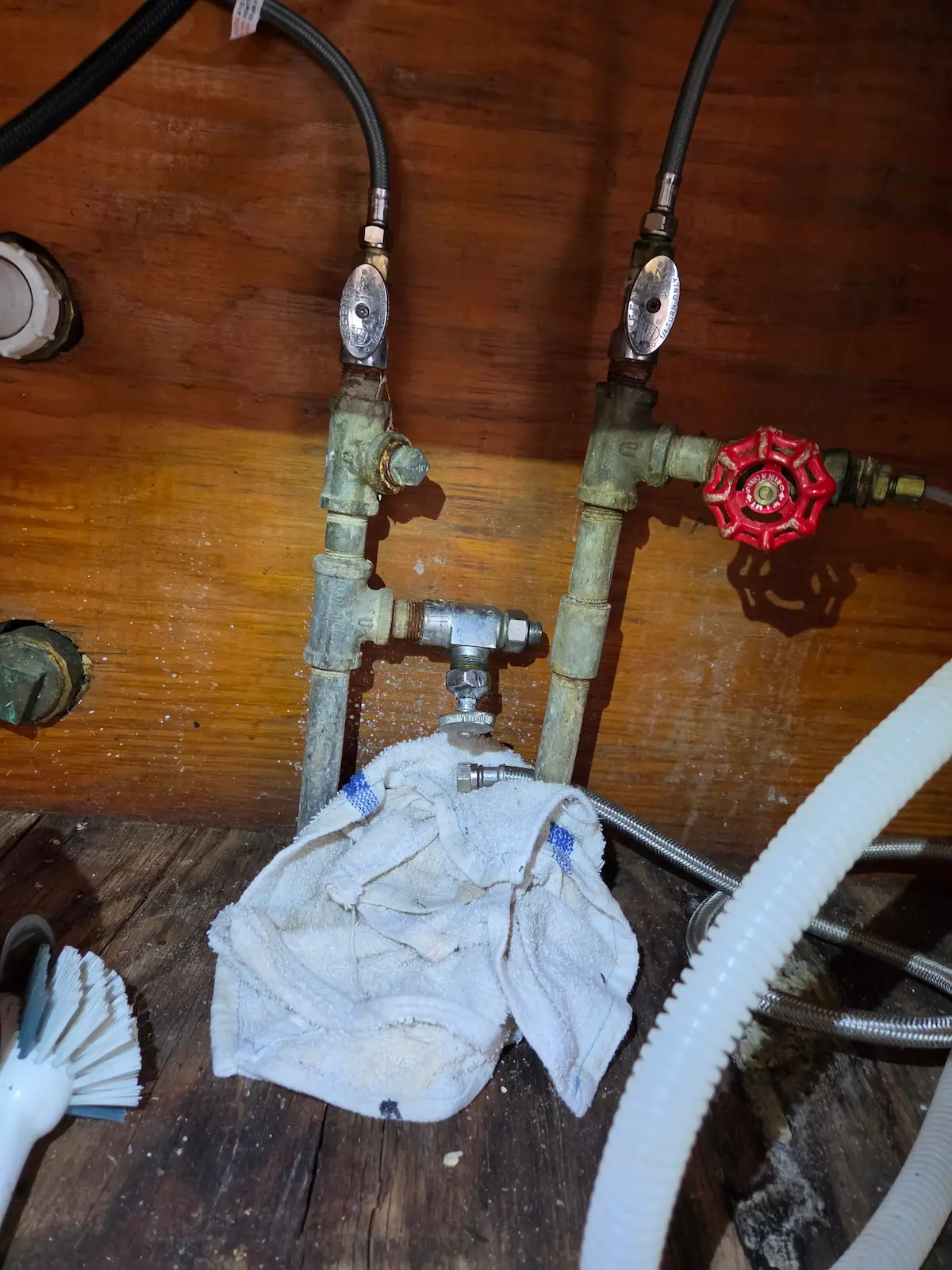
If it is safe, shut off the water at the fixture or appliance. For a toilet, look for the valve behind the toilet. For a sink, look inside the cabinet. For a water heater, avoid touching anything that looks unsafe and call for guidance. If a leak cannot be controlled at the fixture, the main water shutoff may need to be used.
Move belongings away from water. Take photos if damage is visible. Stop using plumbing fixtures connected to a backup. Do not pour chemical drain cleaner into a backed-up fixture. Do not keep flushing a toilet that is already failing to clear.
Calm, Clear Emergency Plumbing Help
Plumbing emergencies are stressful enough. You do not need fear-based sales pressure on top of the problem. Da Vinci’s Best Plumbing focuses on the facts: what is happening, what can be controlled, what needs to be checked, and what the next practical step is.
How to Tell Whether the Problem Can Wait
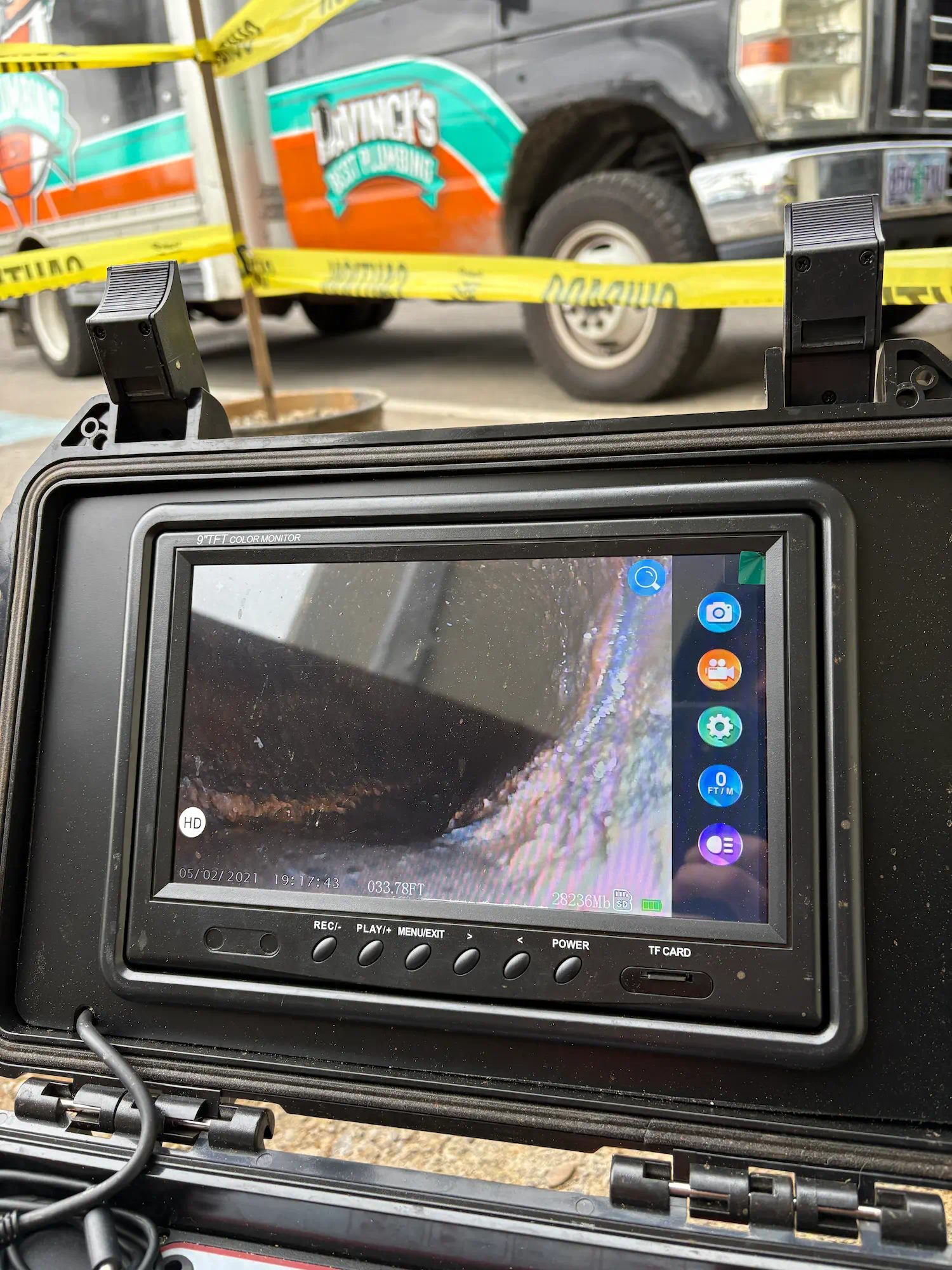
A plumbing issue usually should not wait if water is active, a shutoff does not work, a ceiling or cabinet is wet, sewage or drain water is backing up, a toilet is overflowing, or the water heater is leaking. It also should not wait if the problem is getting worse each time a fixture is used.
A stable issue may be schedulable if there is no active water, no backup, no spreading damage, and the fixture can be avoided until the appointment. Examples include a slow but usable drain, a running toilet, a dripping faucet that is contained, an older water heater that still works, or a water-comfort question about taste, odor, scale, or filters.
What Happens After You Call
The first goal is to understand the situation quickly. The person answering needs the location of the problem, whether water is active, whether a shutoff works, what fixtures are affected, and whether anyone has used chemicals or attempted a repair. That information helps route the call correctly and keeps the focus on damage control.
Homeowner Questions
If you can safely reach the shutoff valves under the sink, turn them clockwise until they stop. If the water keeps leaking, the valve may not be closing fully. Place a container or towel only if it is safe, move items out of the cabinet, and call.
No. Stop flushing. If you can safely shut off the toilet supply valve behind the toilet, do that. If other drains are backing up too, stop using water in the home and call because the issue may involve more than one fixture.
Yes, if water is active or spreading. A leaking tank usually points toward replacement, but water can also come from connections, valves, or nearby piping. The first priority is controlling water and checking where the leak appears to be coming from.
It can be. If fixtures are off and you hear water moving, see the meter moving, notice pressure changes, or find damp areas, call. Hidden leaks can cause damage before they become obvious.
No. Chemical drain cleaners can create safety hazards, especially when water is already standing or backing up. Stop using the affected fixtures and call for drain/sewer help.
No hot water is urgent for many households, but it is not the same as active water damage unless the water heater is leaking or creating an unsafe condition. Call if there is water around the unit, burning smells, unusual sounds, or any concern that feels unsafe. Otherwise, scheduling may be appropriate.
Shut off the water to that hose bib if your home has an interior shutoff. Disconnect the hose if it is still attached. If water leaks inside the wall or crawlspace area, call first because freeze damage can split piping where you cannot see it.
Need urgent plumbing help?
If water is active, backing up, overflowing, or causing damage, call first. For stable plumbing concerns, planned repairs, or non-urgent questions, schedule online.
Family-Owned & Operated
Upfront, Honest Recommendations
