Major Plumbing Replacement Help
Repiping, Water Service & Sewer Replacement
Some plumbing problems can be repaired in one focused area. Others point to a larger system issue that deserves a careful look before more money is spent on patchwork.
Da Vinci’s Best Plumbing helps homeowners understand whether the right next step is a focused repair, a partial replacement, a broader repipe plan, a water service replacement, waste and drain repiping, or sewer replacement planning. The goal is not to push replacement first. The goal is to explain what is happening, what options make sense, and what should be planned before approved work begins.

Family-Owned & Operated

Upfront, Honest Recommendations
When a Plumbing Repair Turns Into a Replacement Decision
A single leak, clog, or pipe failure does not always mean a home needs major replacement work. Many plumbing problems can still be repaired in the affected area.
The conversation changes when the same type of problem keeps coming back, old piping is failing in multiple places, water flow is restricted, drainage problems show up in more than one area, or the condition of the system makes another small repair less practical. At that point, a planned evaluation can help separate a focused repair from partial replacement or larger replacement planning.
Da Vinci’s Best Plumbing looks at the pattern, not just the latest symptom. That helps homeowners avoid guessing and understand why one option may be more practical than another.
Signs the Problem May Be Bigger Than One Repair
A larger replacement conversation usually starts with repeated symptoms. These signs do not automatically mean replacement is required, but they are worth evaluating before another repair is chosen.
Repeated leaks in different areas may point to aging or weakened water piping rather than one isolated failure.
Low flow, poor volume, or uneven pressure can come from restrictions, old piping, valve problems, fixture issues, pressure-control problems, or water service concerns.
Older galvanized piping can restrict flow over time and may create repeated repair decisions when sections begin failing.
A high water bill, meter movement when fixtures are off, wet soil, or unexplained moisture may point to a leak that needs a clear evaluation before the repair path is chosen.
Recurring drain problems, old waste piping, poor support, or repeated fixture backups may point to a larger waste or drain issue inside the home.
Sewer backup patterns, recurring mainline symptoms, or exterior line concerns may require a separate discussion about sewer repair, sewer camera inspection, replacement, or specialty coordination.
What This Page Helps You Sort Out
Major plumbing replacement work can involve different systems. This page helps separate those systems so the conversation stays clear.
Inside Water Piping
Inside water piping covers the domestic water lines that deliver water to fixtures inside the home. These concerns may involve repeated leaks, old material, restricted flow, pressure issues, or partial-to-full water repiping decisions.
Water Service Replacement
Water service replacement covers the line from the meter or service connection area to the home. These concerns may involve wet yard areas, low flow, meter movement, aging service material, or route and access planning.
Waste and DWV Repiping
Waste and DWV repiping covers drain, waste, and vent piping inside or under the home. These concerns may involve old drain material, poor support, recurring fixture drainage problems, or sections that need replacement.
Sewer Replacement
Sewer replacement concerns involve the exterior sewer line beyond the home’s drainage system. These projects may require sewer camera evaluation, specialty coordination, excavation access, sewer lining review, or plumbing work performed alongside other qualified trade partners.
Keeping these lanes separate helps homeowners understand what kind of problem they are actually dealing with.
Water Repiping Inside the Home
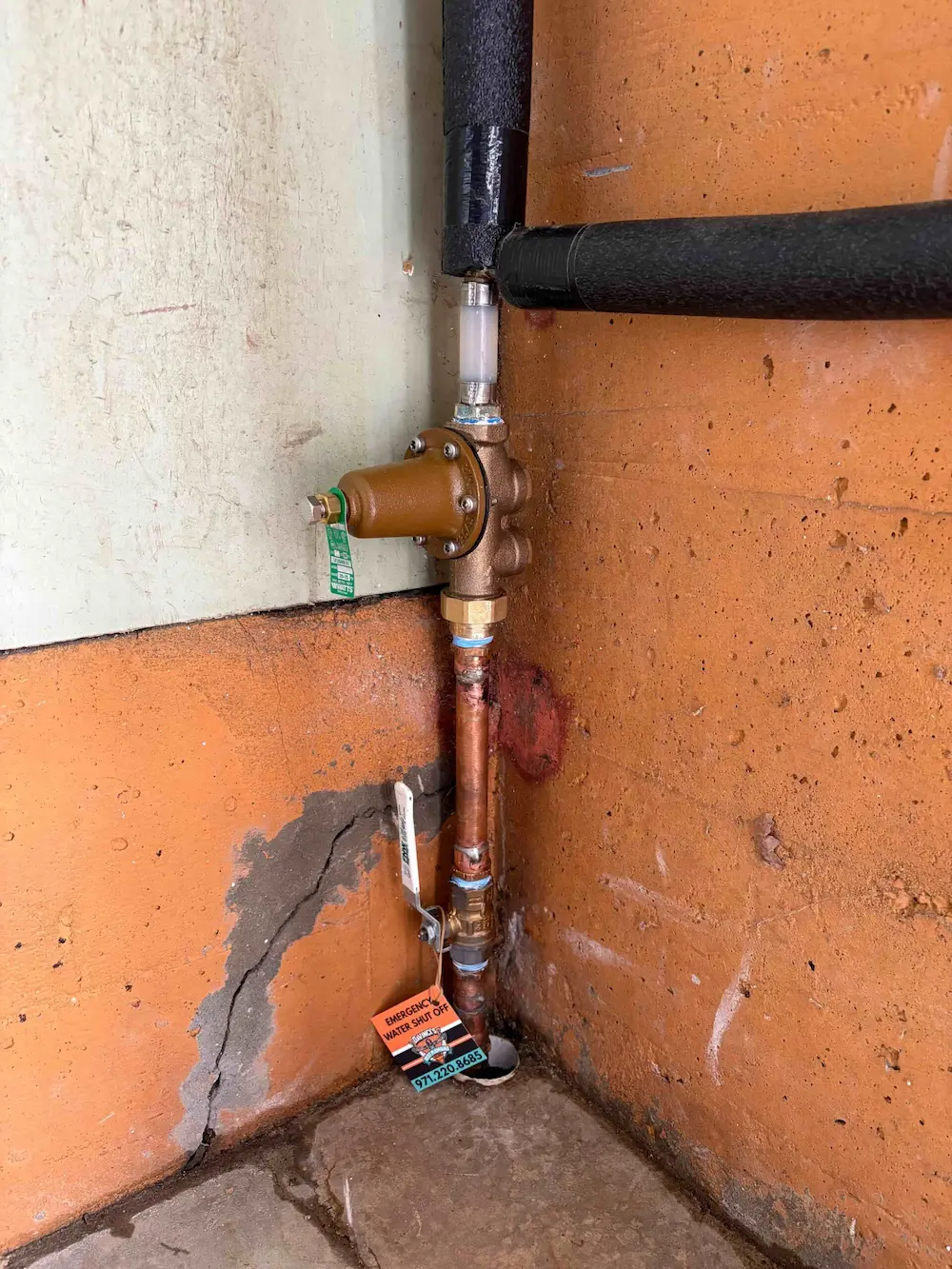
Water repiping inside the home focuses on the pipes that deliver water to sinks, toilets, tubs, showers, laundry, water heaters, hose bibbs, and other fixtures.
A water repipe may be worth discussing when leaks keep appearing in different areas, older material is restricting flow, prior repairs are stacking up, or the piping system no longer supports the home well. Sometimes the right answer is a focused repair. Sometimes one section should be replaced. Sometimes a broader water repipe is the cleaner long-term option.
A good evaluation looks at material condition, access, pressure, flow, usable volume, fixture demand, prior repairs, shutoffs, and how the system is laid out. The goal is to understand whether the problem is isolated or whether the piping system is showing a pattern.
When PEX-A or other modern materials are part of the conversation, Da Vinci’s Best Plumbing explains the practical benefits and limitations clearly. No piping system should be treated as freeze-proof, and fittings, installation conditions, pressure, flow, access, and workmanship still matter.
Water Service Replacement From the Meter to the Home
The water service is different from the water piping inside the home. It is the line that brings water from the meter or service connection area toward the house.
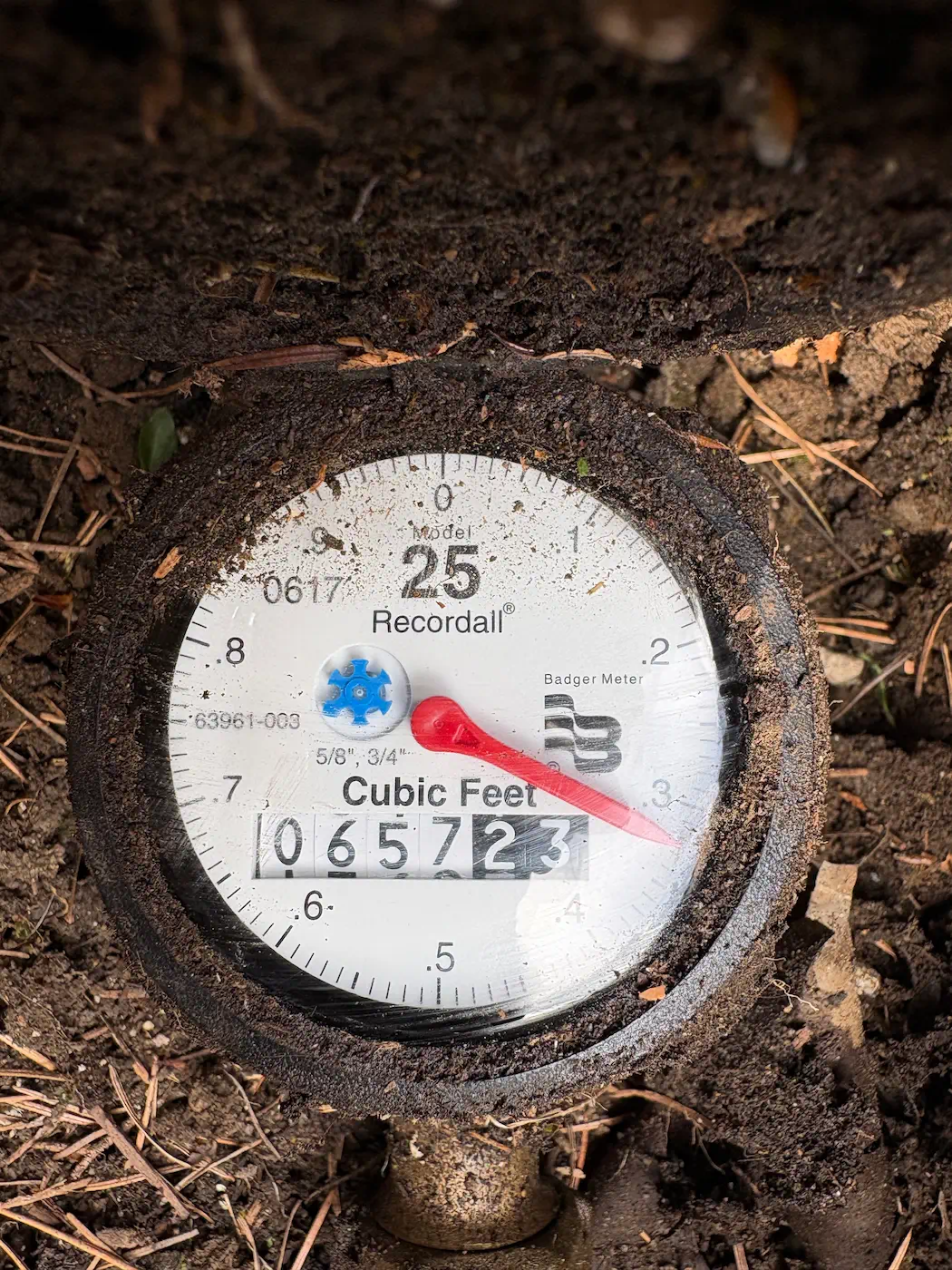
A water service concern may show up as poor flow, wet soil, a soft yard area, meter movement when fixtures are off, water near the foundation, aging service material, or repeated problems that do not appear to come from one fixture.
Replacing a water service is a planning decision. The route, access, soil conditions, shutoff locations, property layout, utility considerations, and connection points all matter. In some situations, a focused repair may be enough. In others, replacement may be the more practical path.
Da Vinci’s Best Plumbing evaluates the plumbing side of the concern and explains what can be confirmed before a replacement plan is approved. Some methods depend heavily on site conditions, so the available approach may vary from one property to another.
Waste and Drain Repiping
Waste and drain repiping is different from water repiping. These pipes carry used water away from fixtures and help the drainage system function properly.
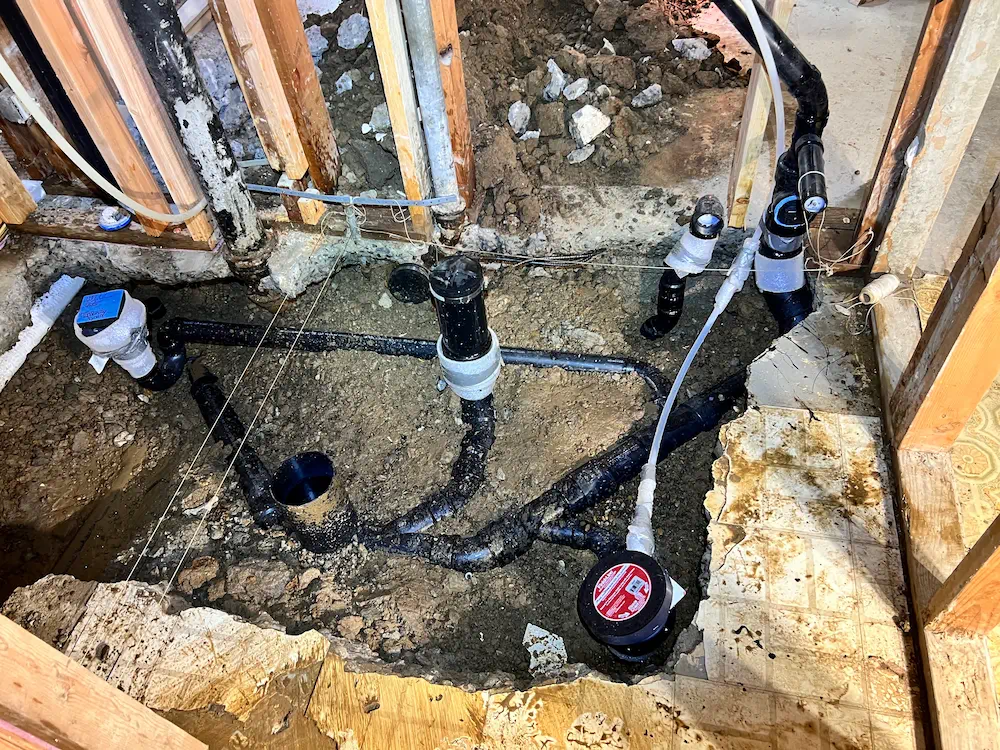
A waste or DWV replacement discussion may come up when older drain piping is failing, a section is cracked or poorly supported, multiple fixtures are affected, drainage problems keep returning, or under-floor piping has sagging, stress, poor slope, or damaged sections.
The evaluation should separate fixture-level drain problems from larger waste and drain piping concerns. A kitchen sink clog, a toilet backup, and an under-floor drain failure are not automatically the same problem.
Da Vinci’s Best Plumbing looks at what is visible, what symptoms are showing up, how the affected piping is supported, and whether a focused repair, section replacement, or broader waste-piping plan makes the most sense.
Sewer Replacement Concerns
Sewer replacement concerns sit in their own category because the sewer line often involves exterior access, underground conditions, and coordination beyond ordinary indoor plumbing work.
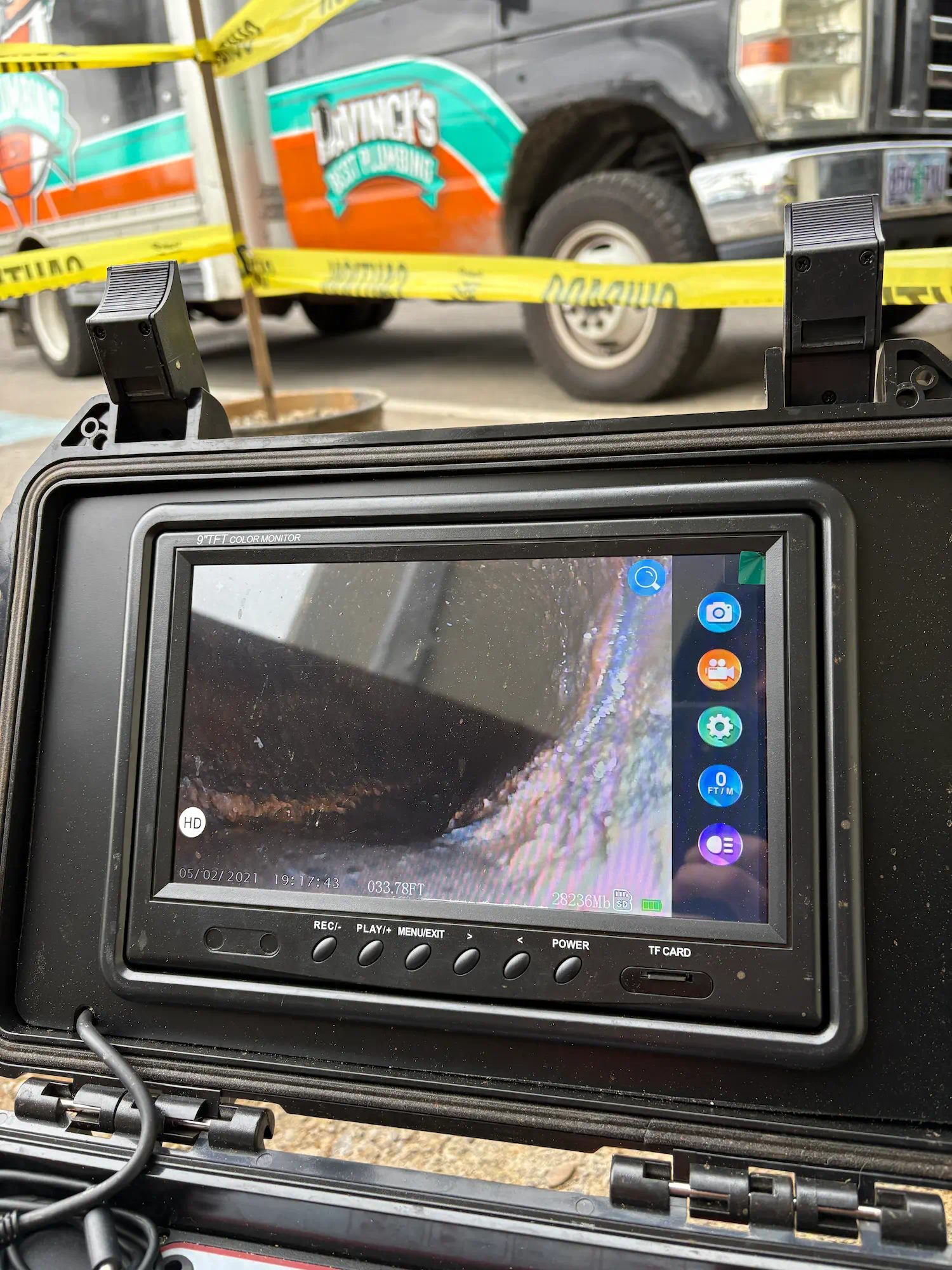
A sewer replacement conversation may begin with recurring mainline backups, repeated drain problems, exterior line concerns, or evidence that the sewer line needs more than a simple fixture-level repair. A sewer camera inspection may help further evaluate the condition, route, and visible concerns inside the sewer line before repair, replacement, or specialty coordination is discussed.
A camera inspection is an evaluation tool, not a guarantee that every issue will be visible or that one repair path will be automatic. The next step still depends on what can be confirmed, what the pipe condition shows, what access is available, and what type of work is appropriate for the property.
Da Vinci’s Best Plumbing may perform the plumbing side of sewer replacement while coordinating excavation access with a licensed excavation contractor when digging or access is needed. In some cases, depending on scheduling or job conditions, the licensed excavation contractor may complete the sewer replacement work without Da Vinci’s Best Plumbing being physically on site.
Sewer lining is handled through specialty partners when that method is appropriate. Da Vinci’s Best Plumbing does not present sewer lining or excavation as in-house services. The important part is giving the homeowner an honest path forward, with the right trades involved when the job requires them.
Understanding What’s Really Happening
Pressure, Flow, Volume, and Thermal Expansion
Major replacement work is not only about choosing new pipe material. Pressure, flow, usable volume, pressure-reducing valves, and thermal expansion can all affect how a plumbing system performs.
Pressure
Pressure and flow are not the same thing. Pressure is the force in the system. Flow and volume describe how much water can actually move through the piping, valves, filters, and fixtures. A home can show acceptable static pressure and still have poor usable flow if the piping, valves, filters, fixture cartridges, stops, or aerators are restricted.
Flow and Usable Volume
One practical symptom is a faucet that starts with good flow and then drops off after a few seconds. That can point to a major restriction or volume problem that needs evaluation. It is not a guaranteed diagnosis, but it is a useful clue.
PRV Condition
High pressure can be hard on fixtures, valves, connectors, water heaters, and piping components. Low flow or poor volume can make a home frustrating to use even when pressure seems normal at one point in the system. A pressure-reducing valve, if present, may need to be evaluated as part of the larger plan.
Thermal Expansion
Thermal expansion can also matter when a plumbing system is changed or pressure control is involved. The exact solution depends on the system, the equipment, and applicable requirements.
Da Vinci’s Best Plumbing keeps this conversation practical. A repipe or major replacement is a good time to review pressure, flow, usable volume, shutoffs, PRV condition, water heater connections, and thermal expansion so the new work fits the home instead of simply replacing pipe for pipe.
When Electrical Review May Be Needed
Some older homes have metallic water piping that may be connected to the home’s grounding or bonding path. When metallic piping or a metallic water service is replaced with nonmetallic piping, electrical review may be needed.
Da Vinci’s Best Plumbing handles the plumbing side. Electrical grounding and bonding should be evaluated by a qualified electrician where required, and any electrical work should be performed by the appropriate qualified trade.
This does not mean every repipe has the same electrical need. It does mean the issue should not be ignored when older metallic piping is being removed or replaced. If the plumbing change may affect grounding or bonding, the safe path is to identify that concern and involve the correct qualified trade.
When Specialty Partners May Be Needed
Some major replacement projects require more than one trade or specialty resource.
Sewer lining may require a specialty lining contractor. Excavation may require a licensed excavation contractor. Certain site conditions may require additional coordination before the plumbing work can be completed properly.
Da Vinci’s Best Plumbing helps evaluate the plumbing problem, explain the practical options, and coordinate the plumbing side of the project when specialty partners are needed. On sewer replacement projects, Da Vinci’s Best Plumbing may be on site performing plumbing work in the ditch while excavation access is coordinated. In other cases, job conditions or scheduling may make it more practical for the licensed excavation contractor to complete the sewer replacement work.
The customer should know who is doing what before the work moves forward. Clear coordination protects the project, the property, and the homeowner’s expectations.
Automatic Water Shutoff Options
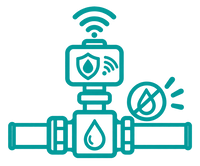
Automatic water shutoff valves can be worth discussing during major water-piping or water-service planning.
These devices are designed to monitor water use and, in some situations, shut off water when a significant leak pattern is detected. They can be a useful layer of protection for some homes, especially when homeowners want more visibility into water use or leak risk.
They are not a substitute for good piping, proper pressure planning, quality installation, or regular attention to the plumbing system. They also do not prevent every type of water damage.
Da Vinci’s Best Plumbing can discuss automatic shutoff options as part of a larger water-system conversation when they make sense for the home.
How Da Vinci’s Best Plumbing Approaches Major Replacement Work
Major plumbing work should start with understanding, not pressure.
01 — Listen
02 — Evaluate

03 — Explain Options
04 — Plan Approved Work

05 — Complete and Review
Da Vinci’s Best Plumbing begins by listening to what the homeowner has noticed: leaks, low flow, recurring backups, wet areas, water bills, old piping, past repairs, or concerns from another contractor or inspection.
Then the system is evaluated. The goal is to identify what can be confirmed, what is still uncertain, and whether the problem appears isolated or part of a larger pattern.
From there, Da Vinci’s Best Plumbing explains the options. When it makes sense, those options may include a focused repair, partial replacement, broader repiping, water service replacement, waste or DWV replacement, or sewer replacement planning with specialty coordination.
Approved work is planned before it begins. Foreseeable hidden conditions are discussed when relevant. The homeowner should understand what is being recommended, why it is being recommended, and where the limits of the work are.
After the work is complete, Da Vinci’s Best Plumbing walks through the result, answers questions, and leaves the area as clean as practical.
Homeowner Questions
You may not know at first. That is why the evaluation matters. A focused repair may be the right answer when the problem is isolated. Replacement becomes part of the conversation when there are repeated failures, aging material, access problems, poor flow, drainage patterns, or system conditions that make another patch less practical.
Yes, in some situations. Partial replacement may make sense when one section is failing and the rest of the system is still serviceable. In other cases, replacing one area may not solve the larger pattern. Da Vinci’s Best Plumbing explains the tradeoffs so the homeowner can decide what level of work fits the home.
Water repiping usually refers to the water lines inside the home. Water service replacement refers to the line that brings water from the meter or service connection area to the house. A home can need one, both, or neither depending on where the problem is found.
Yes. Waste and DWV piping is typically the drain, waste, and vent piping inside or under the home. Sewer replacement usually refers to the exterior line carrying wastewater away from the house. The symptoms can overlap, but the work, access, and coordination can be very different.
It can, in many cases. A sewer camera inspection may help further evaluate visible concerns inside the sewer line, including condition, route, or areas that need closer review. It does not guarantee that every issue will be visible, and it does not automatically determine the repair path by itself. It is one tool that can support a clearer sewer discussion.
Specialty partners may be needed when the work involves sewer lining, excavation, unusual access, or other conditions outside ordinary indoor plumbing replacement. Da Vinci’s Best Plumbing may coordinate with specialty partners while handling the plumbing side of the project where appropriate.
It can in some homes. If older metallic water piping has been part of the home’s grounding or bonding path, replacing it with nonmetallic piping may require electrical review. Da Vinci’s Best Plumbing handles the plumbing side. A qualified electrician should evaluate or perform electrical grounding or bonding work where required.
Yes, they are worth reviewing during major replacement work. Pressure is the force in the system, while flow and volume describe how much water can actually move through the piping and fixtures. PRV condition, water heater connections, and thermal expansion can also affect how the system performs. The exact next step depends on the home and what is found.
They can be. Automatic shutoff valves may add monitoring and shutoff capability for some leak conditions, but they do not prevent every type of water damage. They are best treated as an optional planning topic, not a replacement for good piping, proper pressure control, and careful installation.
Talk Through the Right Replacement Path Before Work Begins
Major plumbing replacement should not feel like a mystery or a pressure sale. Whether the concern is old water piping, a failing water service, waste and drain piping, or a sewer replacement concern, Da Vinci’s Best Plumbing can help you understand what is happening and what options make sense.
Call if the problem is active, leaking, backing up, or getting worse. Schedule online if the issue is stable and you want a planned evaluation.
Family-Owned & Operated
Upfront, Honest Recommendations
